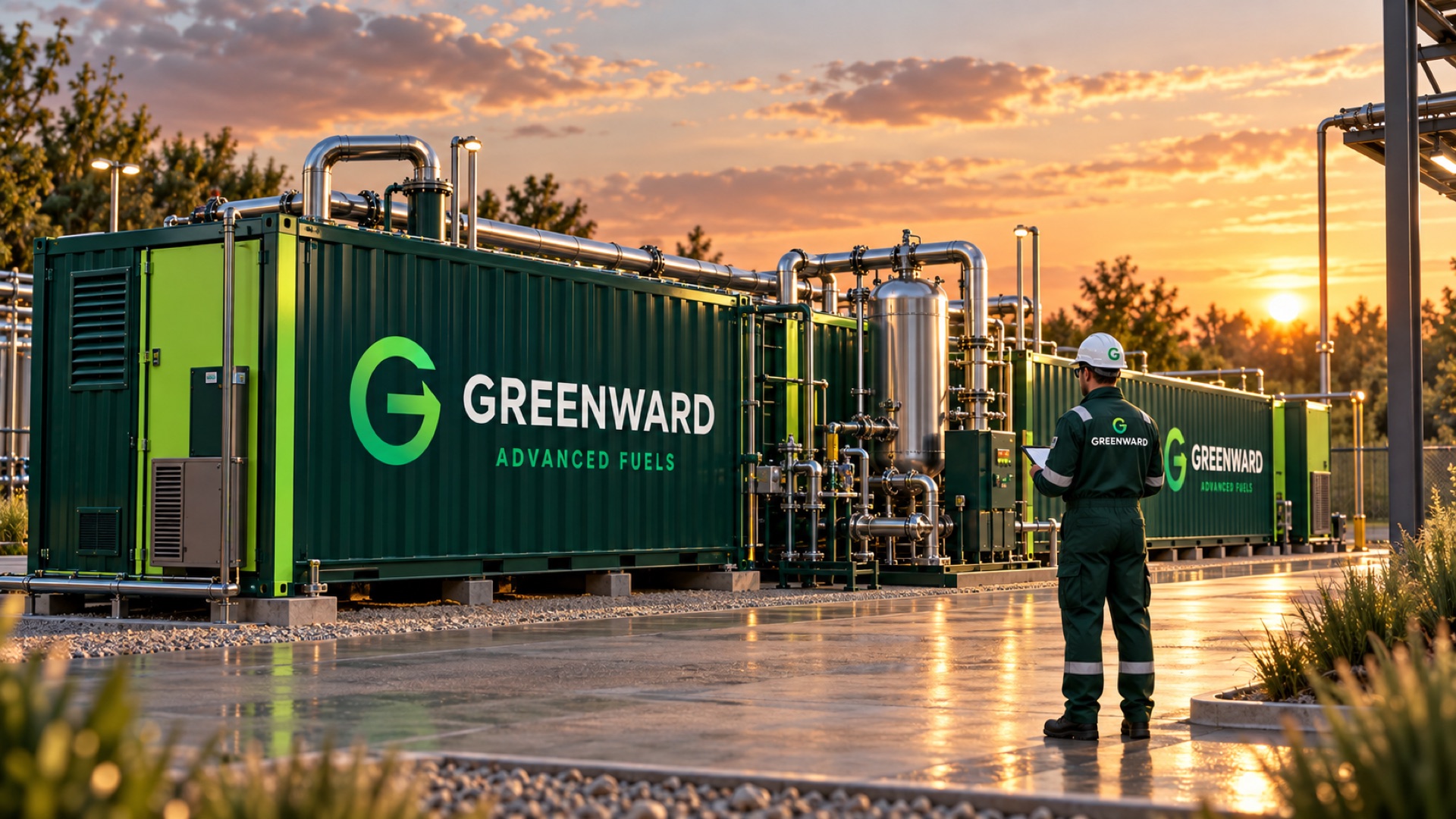
Processing the wasteothers can't handle.
The Greenward process is feedstock-flexible. Three waste streams, each paying gate fees, each generating high-grade bioethanol, with first-site supply agreed and a pipeline covering millions of tonnes of annual arisings. First deployment: paper-industry residues. Sludge and green waste follow as permits and trials complete.
Three feedstocks.
One process.
Choose a stream to see the numbers, the supply story and why the Greenward route works where earlier attempts did not.
Greenward is building supply relationships with major UK waste operators, paper recyclers and water utilities, with first-site feedstock agreed and a pipeline covering millions of tonnes of annual arisings.
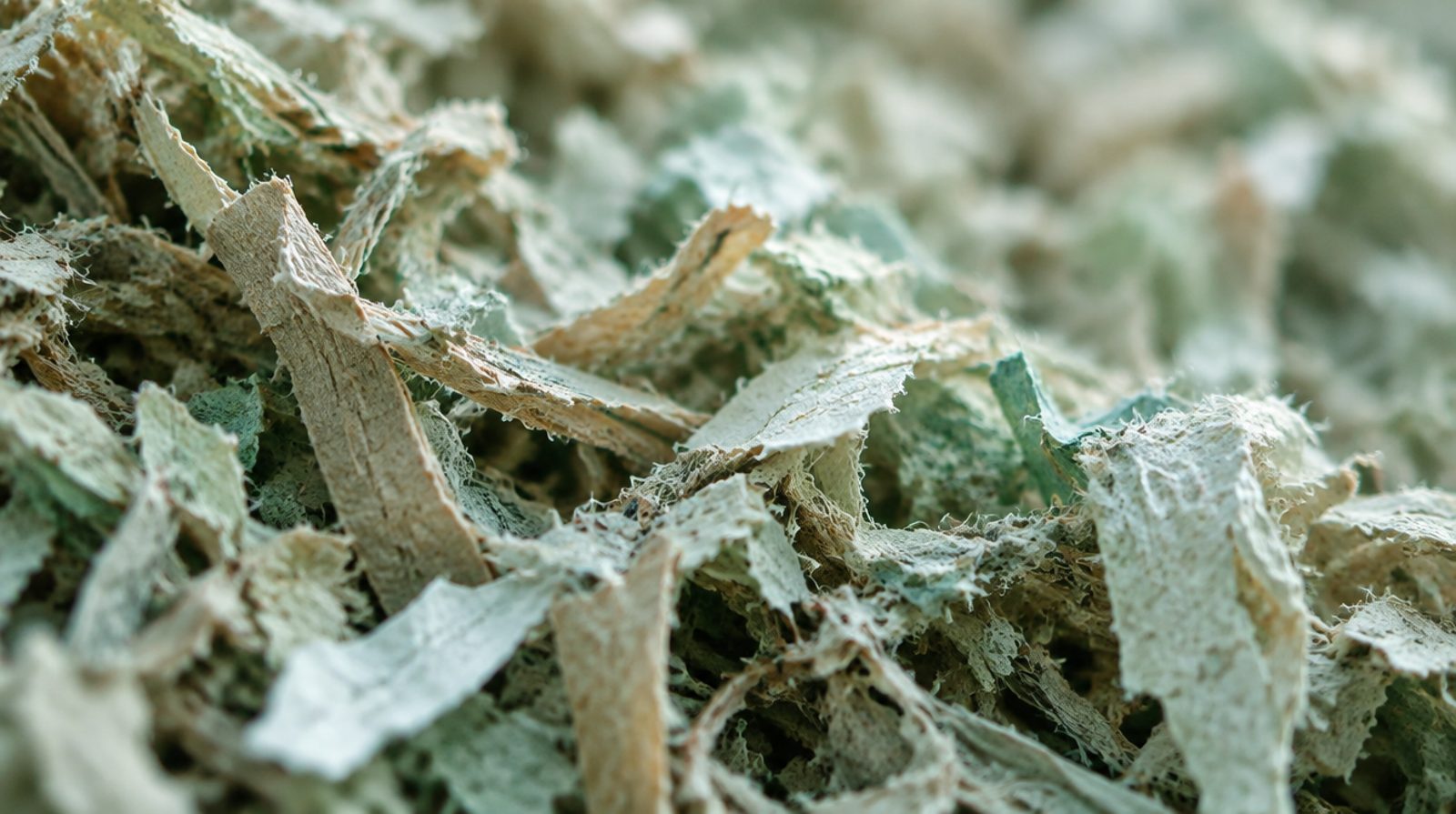
Paper mill reject waste is one of the most cellulose-rich, consistent and abundant waste streams on the planet. Previous enzymatic hydrolysis operators failed with it, either by going too large too fast or by using inconsistent feedstocks like MSW where contaminants disrupted the enzymes. Greenward solved both problems.
Paper mill reject waste is pre-macerated, homogenised, and arrives with the same dry matter composition and known contaminant profile every time, making it the ideal substrate for enzymatic hydrolysis. A professor of paper and pulp science at North Carolina State University has identified approximately 250 million tonnes of this material available globally. Greenward has mapped the world's largest paper mills, cross-referenced with port infrastructure, and identified 35+ high-priority sites representing a further 35 million tonnes of material within 50km of major fuel storage and export ports. The first facility is sited with its feedstock supplier under agreed heads of terms, including a long-term inflation-linked lease, with consistent, contaminant-free volumes.
Previous operators failed for three reasons: they went too large too fast (£200 to 500m plants), used inconsistent MSW feedstocks where contaminants disrupted enzyme activity, or failed to understand the front-end engineering. Greenward's containerised, modular approach, combined with proprietary HTS enzyme optimisation, eliminates each failure mode. The result is a feedstock that pays gate fees, is globally abundant, and is agreed under heads of terms at the first site.
Six revenue streams.
Before a litre is sold.
Gate fees
Waste operators pay Greenward to accept feedstock. Revenue begins on intake, before the process even starts. This structurally insulates Greenward from ethanol price volatility.
Bioethanol sales
High-grade ethanol sold into industrial, pharmaceutical, cosmetics and fuel-blend markets. Offtake in active negotiation with tier-one global buyers.
RTFCs
Every litre of eligible waste-derived bioethanol earns Renewable Transport Fuel Certificates under the UK RTFO, a mandatory obligation on fuel suppliers.
Double waste-derived rate
Greenward's feedstocks are the subject of a classification application with the DfT for the double waste-derived rate: 2 certificates per litre versus 1 for crop-based ethanol. A structural policy premium crop-based producers cannot access.
Carbon credits
Around 50,000 tonnes of CO₂ abatement per plant per year (Tunley Environmental). As UK ETS and voluntary carbon markets align, this represents significant additional upside, subject to LCA and registry approval.
Carbon capture
Fermentation produces a pure CO₂ stream suitable for capture and sale into food-grade, industrial and enhanced oil recovery markets. A sixth revenue line with near-zero additional capex.
Site one agreed.
The pipeline follows.
Greenward is not building a plant and then looking for customers. Feedstock secured under heads of terms at the first site, and offtake in negotiation with tier-one global buyers. This is a system taking shape, not a project looking for customers.
Pipeline covering millions of tonnes across paper, green waste and sludge streams. First facility sited with its feedstock supplier under agreed heads of terms, including a long-term inflation-linked lease.
In active negotiation with tier-one global offtakers in fuel, industrial and specialty markets.
Revenue begins on intake, structurally insulating Greenward from ethanol price movements.
No commercial-scale waste-to-bioethanol operation exists in the UK. Greenward's first plant is the first.
35+ priority sites mapped globally near major ports. Paper mill operators are global: solve it for one facility and the same solution applies to every site they operate worldwide.
Have a waste stream
that needs a better home?
Paper recyclers, waste operators and water companies: tell us the stream, the tonnage and the site. We will show you the economics.